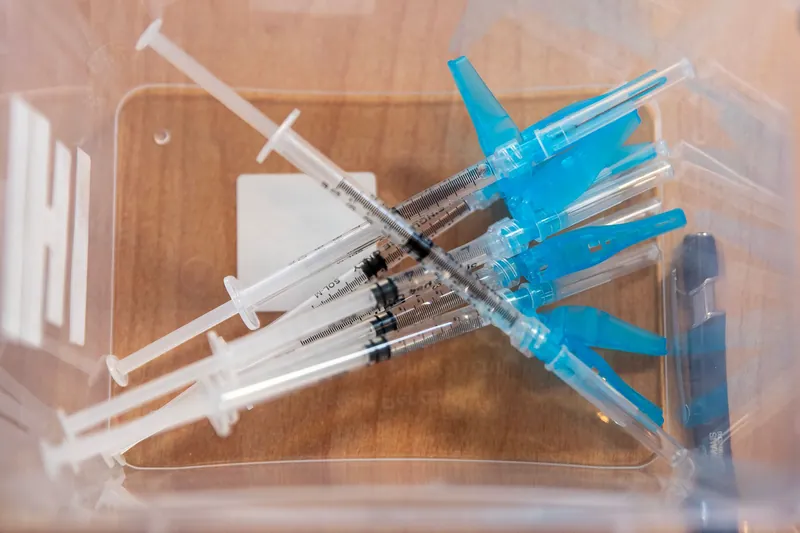
Needle and Sharps Cleanup
Cleanup removes sharps and needles from parks, rental sites, yards and encampments.
See needle and sharps cleanupGet needles, pipes, baggies and unknown residue removed from a home, rental, workplace, vehicle or outdoor area in Chantilly. Keep people and pets away, and do not touch sharps or powder.
Drug paraphernalia cleanup means carefully gathering syringes, needles, foil, pipes, baggies and similar drug debris. It also includes cleaning residue and biological contamination connected to those items from the impacted space.
This cleanup service is used in houses, apartments, rental units, hotels, workplaces, vehicles and outdoor areas. Cleanup technicians first look for visible items and then check nearby gaps, drawers, furniture, bedding, vents and floor edges where a sharp object may be hidden. Needles go directly into a rigid sharps container. Other hazardous materials are packaged according to their condition and the applicable waste rules.
Drug debris removal is not the same as meth lab cleanup. Loose paraphernalia and limited surface residue may fit this service. Strong chemical odors, stained containers, unusual glassware, pressurized cylinders or signs that drugs were produced require a different response. Do not enter or disturb a suspected drug lab. Follow instructions from law enforcement or the local fire department before any cleaning process begins.
When conditions make it possible, belongings that can remain are set apart from contaminated materials after a careful check for concealed sharp objects.
Crews arrive in unmarked vehicles and limit attention around a home, rental, workplace or business while the affected areas are cleared.
Photos, the work scope and available waste records create a clear account for property owners, managers, insurance companies and other responsible parties.
Before you move forward, you learn which spaces need searching, which materials may be removed, what can be cleaned and what affects cost.
When residue or abandoned drug items may expose anyone working in, cleaning or entering the space, drug paraphernalia removal is appropriate. Common examples are:
A guest room may need a careful sweep, removal of hidden sharps and cleaning before staff can safely prepare it for future use.
When families discover smoking materials, powder or sharps in a garage, vehicle, bedroom or bathroom, they may seek help clearing the affected area.
Needles, pipes, foil or baggies may be left behind in bedrooms, cabinets, closets and furniture after a move-out or eviction.
Items along baseboards, under furnishings, within drawers or in surrounding areas can be located through a room-by-room search before repair work.
Your priority is stopping all contact. Keep everything where you found it, except when an immediate hazard makes moving it unavoidable. Take the following steps next:
Call (888) 440-9227Credible public cost guides do not publish a range specifically for drug paraphernalia cleanup. The following context comes from published general biohazard cleanup guides. They give the residential average as $1,800 to $4,500 and the typical national range as $3,000 to $5,000 in their figures. Many home projects range from $2,500 to $8,000 according to the guides, and the entire published span runs from $1,500 to $25,000 overall. The actual price cannot be known before assessing the space, since a limited sharps pickup differs greatly from residue work involving multiple rooms.
These ranges come from published national cost guides, not from a site visit. You learn what your property will cost after the on-site assessment and before any work begins.
Ask about cost: (888) 440-9227Insurance coverage is determined by policy terms, what caused contamination and the party responsible for the property. Contact the insurer to ask whether biohazard cleanup is covered, and do not assume the work qualifies.
A property owner or manager often arranges cleanup in a rental or common area, then addresses tenant responsibility under the lease and local rules.
Homeowners or renters insurance is usually the first place to ask about cleanup costs. After a death the estate often pays, and in a rental the owner usually arranges the cleanup. Ask the program directly whether the specific event and cleanup expense qualify before relying on reimbursement.
Coverage under renters and homeowners policies can vary based on the cause of the contamination. Report the condition, describe the affected area and ask what records are required.
Your file should include safe-distance images, the cleanup scope, disposal paperwork and invoices. The records can show the discovered conditions and the cleaning that took place.
Cleanup begins with controlling access, then continues through a detailed search, collection, surface treatment and a closing inspection. The steps are adapted to the materials discovered and the type of property.
Cleanup technicians assess the affected areas for obvious sharps, potential residue, porous items and spaces requiring a detailed search.
The area remains controlled, and protective gear is selected for biological contamination, uncertain residue and sharp-object hazards.
Suitable equipment is used to collect visible needles directly into a sharps container that resists punctures, with no bending or recapping.
Rooms and surrounding areas are checked methodically, including drawers, floor edges, vents, furniture, bedding and other likely hiding places.
Workers match hard-surface cleaning to the residue and keep an EPA-registered disinfectant wet for the label contact time when biological contamination exists.
When complete cleaning is not possible, porous materials are isolated, recorded and wrapped to prevent sharps or residue from spreading as they are removed.
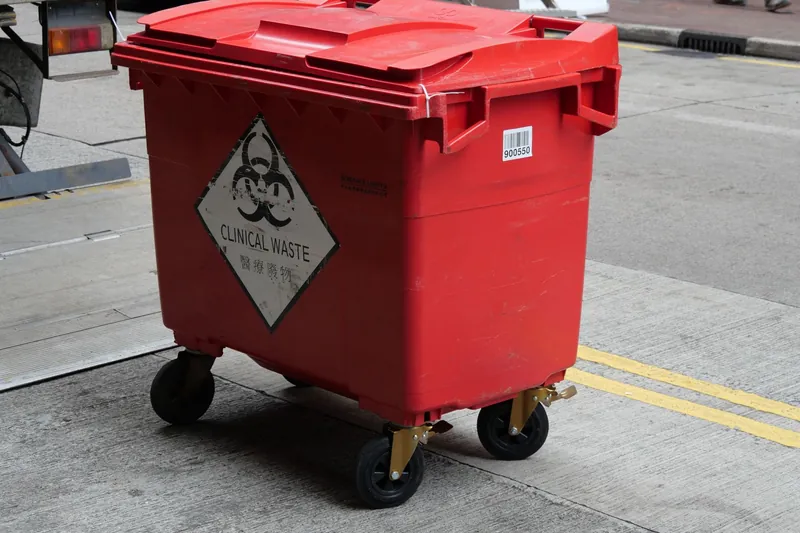
Hazardous waste, including sharps, is contained properly and sent through an authorized disposal channel that meets applicable requirements.
The closing inspection covers cleaned surfaces and checks for missed objects, followed by preparation of available records or images for the owner.
Call at any time. Your drug paraphernalia cleanup specialist answers the phone, describes what happens next and works with you on a start time.
Used needles, broken glass, unknown residue and contaminated materials can cause serious health risks, especially when an item is hidden or its contents are unknown.
A powder or film cannot be identified by sight or smell. Touching it, brushing it aside or using a household vacuum can create avoidable exposure and spread residue beyond the original spot.
You may encounter concealed needles among belongings or within bags, boxes, bedding, drains, clothing and upholstery. You risk injury when reaching anywhere whose bottom is not visible.
Keep unsecured sharp objects and contaminated trash out of household bags and recycle bins. Packaging, transport and waste disposal depend on the material and the rules that apply in the state.
Can you clean it yourself? Never approach unidentified powder as if it were household dust. When one needle is found, restrict access and consult local public health instructions for disposing of community sharps. When hidden needles, bodily fluids, residue or several objects are involved, using professional cleanup can reduce puncture and cross-contamination risks.
Cleanup workers collect and remove materials when doing so is safe, then treat hard surfaces suitable for cleaning. They evaluate porous belongings by considering residue, potential punctures and whether full cleaning is possible.
The amount and distribution of material determine how long the work takes, along with any detailed cleaning needed for residue or hidden sharp objects. A whole-property search that includes porous material removal takes longer than collecting a group that is plainly visible.
| Scene | Typical time on site |
|---|---|
| One contained space with items in view | Usually the shortest type of visit |
| A single room containing residue or concealed sharps | Lasts longer because surfaces need cleaning and the room needs searching |
| Several rooms, heavy debris or porous materials | Could need removal in stages across multiple work periods |
A smell may come from chemicals, smoke residue, bodily fluids or spoiled material, but odor by itself does not reveal the substance. Never sniff containers, lean toward the source or mask it with fragrance. If you experience irritation or dizziness, detect a harsh chemical odor or see an active reaction, leave the space and request emergency guidance.
First remove the odor source and clean every affected surface, then address air quality. Suitable particles may be captured with HEPA-filtered equipment after identification of the hazard. A household vacuum must not touch powder that has not been identified. Evidence of chemical production means the site requires the proper hazardous material assessment instead of routine biohazard remediation or odor removal.
The full drug paraphernalia cleanup guide covers what is cleaned or removed, odor and air quality work, and the rules that apply in North Carolina and Mecklenburg County.
Read the full drug paraphernalia cleanup guidePlanning for access, containment and cleanup can depend on local population, housing and entry conditions.
Novant Health Presbyterian Medical Center is about 2.1 miles from Chantilly, which is useful to know when an exposure or injury needs medical attention.
Plaza Midwood, Rosemont, and Elizabeth are nearby, which helps define practical routes for crews, equipment, and sealed waste containers.
As a Charlotte neighborhood, Chantilly may include several building styles, so cleanup planning should start with the exact property type.
Ask on the call about cleanup options for neighboring communities and ZIP codes.
Cleanup removes sharps and needles from parks, rental sites, yards and encampments.
See needle and sharps cleanup
Affected rooms, vehicle interiors and surfaces are decontaminated after fentanyl exposure.
See fentanyl decontamination
Residue tests, decontamination and clearance procedures are all part of meth lab cleanup.
See meth lab cleanup
Rooms, surfaces and air receive complete decontamination following infectious or hazardous exposure.
See biohazard decontamination
Sealed containers with labels hold biohazard waste during collection and disposal.
See biohazard waste disposal
After medical waste removal, disposal takes place through approved treatment facilities.
See medical waste removal
Hotels, rental properties and Airbnb units receive biohazard cleanup.
See hotel, airbnb and rental biohazard cleanup
After an eviction or tenant move-out, cleanup removes fluids, waste and filth.
See eviction and tenant move-out biohazard cleanupCollecting visible objects from one controlled space is quicker than inspecting every room. Hidden needles, unknown residue, heavy debris and contaminated carpet or furniture add work. The likely timeline and possibility of finishing removal in a single work period can be explained only after the team views the affected areas.
No. The scope for paraphernalia includes discarded materials, sharp objects and small amounts of residue. A potential meth lab may leave reactive substances, chemical contamination and fumes across an entire building. Get out and ask law enforcement or the fire department what to do if the property contains unusual chemicals, pressurized cylinders, stained equipment or signs of drug production.
It depends on the policy, the cause and who controls the property. Contact the insurance company and ask specifically about biohazard cleanup, drug residue and contaminated property. Keep photos from a safe position, the cleanup scope, invoices and available disposal records. Who pays in the end may depend on policy exclusions, deductibles or a tenant's responsibility.
The service includes a careful search for needles, pipes, foil, baggies and related debris, collection in suitable containers, cleaning of affected hard surfaces and evaluation of porous items. If bodily fluids are present, the work also includes biohazard cleaning with the right protective equipment and an EPA-registered disinfectant used for its full label contact time.
Workers can systematically examine carpet, furnishings, drawers, vents, bedding, waste and floor edges where sharps may be hidden. No search should be treated as a promise that every tiny object will be found. A repeat inspection, adequate light, correct tools and protection against punctures help prevent hazardous items from being left behind.
Make sure other people, children and animals stay back. Never touch the needle or attempt to recap, bend or snap it. Do not place it loose in a bag. For one community needle, consult local public health directions. Arrange professional cleanup if many needles, concealed items, bodily fluids, residue or broad search needs are involved.
Discreet, respectful drug paraphernalia cleanup, 24 hours a day, with crews in unmarked vehicles.